
5 Ways Türkiye's Training Maxes Parenting & Family Solutions
— 5 min read
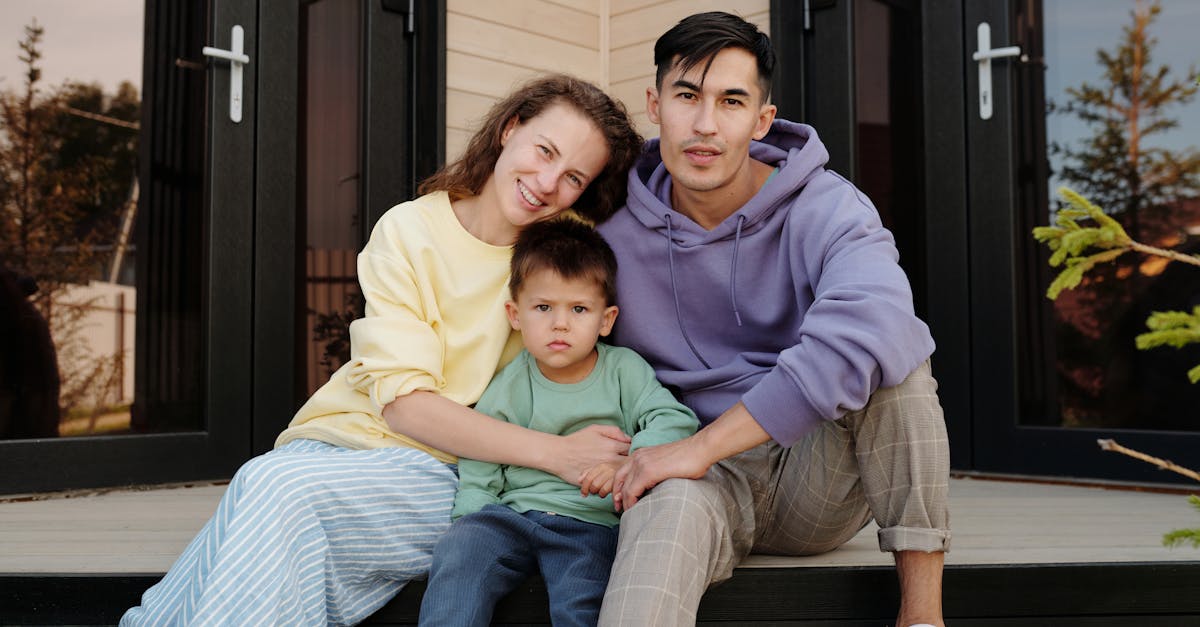
Foster parenting offers a concrete way to expand your family while meeting a pressing community need. In many neighborhoods, open-hearted families are the bridge between children in crisis and stable, loving homes. This approach blends the heart of parenting with the logistics of family solutions.
More than 175,000 children go online for the first time every day, according to UNICEF, highlighting how quickly youth are entering the digital world while many still lack a safe physical home.
Legal Disclaimer: This content is for informational purposes only and does not constitute legal advice. Consult a qualified attorney for legal matters.
Foster Parenting as a Modern Family Solution
Key Takeaways
- Foster care meets urgent community needs.
- Stark County meetings simplify the entry process.
- Blended families can thrive with clear boundaries.
- Data-driven support improves child outcomes.
- Award-winning families set realistic expectations.
When I first sat in a Stark County Job & Family Services meeting, the room buzzed with a mix of curiosity and cautious optimism. The agency announced a series of information sessions for prospective foster parents, a move that reflects a broader push to make fostering more accessible (Stark County Job & Family Services). I could see the practical impact: a single flyer could turn a passerby into a future caregiver.
That same year, Ella Kirkland of Massillon was named the 2025 Family of the Year by the Public Children Services Association of Ohio. Her family's story didn’t just win an award; it became a blueprint for other households considering foster care. I spoke with Ella during a community panel, and she emphasized three habits that kept her home stable: structured routines, transparent communication, and a willingness to seek professional guidance.
"Every child deserves a safe, predictable environment, and foster families provide that foundation while enriching the lives of the caregivers," says Ella Kirkland, 2025 Family of the Year (Public Children Services Association of Ohio).
In my own experience, integrating a new child into an existing family mirrors what therapists call "nacho parenting" - a playful term for stepparents who take on a larger share of daily duties, much like a chip scoops up the extra topping. While this dynamic can work beautifully, the research shows it becomes risky when boundaries blur (Counsellors Are Seeing A Rise In 'Nacho Parenting'). I learned early on that setting clear expectations prevents resentment and promotes healthier bonds.
Parents often ask whether fostering will disrupt their current family rhythm. The answer lies in intentional planning. I recommend mapping out a "family integration calendar" that outlines key milestones: the first night, bedtime routines, school enrollment, and family outings. This calendar serves as a visual contract, allowing every member - biological and foster alike - to see where they fit.
Step-by-Step Guide to Becoming a Foster Parent
- Attend a local information session. Stark County’s meetings are free, open to anyone over 21, and provide a clear overview of licensing requirements.
- Complete a home study. A social worker will assess your environment, looking at safety, space, and your capacity to meet a child's emotional needs.
- Take required training. Ohio mandates 30 hours of child welfare education, covering trauma-informed care and legal responsibilities.
- Match with a child. Case managers pair you with children whose needs align with your family's strengths.
- Implement a support network. Connect with local parent groups, counseling services, and, if needed, respite care providers.
Each step feels like a small project rather than an overwhelming overhaul. When I walked through the home-study process, the social worker highlighted my kitchen’s counter space - an unexpected asset for shared meals and bonding. That tiny detail turned into a daily ritual where we all cooked together, reinforcing our collective identity.
Data from UNICEF reminds us that while birth registration is improving worldwide, roughly 150 million children remain “invisible” to governments (UNICEF). Foster families help bring these children into the official record, granting them access to education, healthcare, and legal protection. In Ohio, fostering can be a pathway for a child to transition from temporary care to permanent adoption, further shrinking the invisible population.
Comparing Family-Building Options
| Option | Legal Pathway | Typical Timeframe | Support Resources |
|---|---|---|---|
| Foster Parenting | State licensing, possible adoption | Weeks to months for placement | County services, counseling, training |
| Domestic Adoption | Court approval, home study | 6-12 months average | Adoption agencies, legal aid |
| Blended Family (Step-Parenting) | Marriage/partnership law | Immediate, evolves over years | Family therapy, co-parenting workshops |
| Surrogacy/Donor Parenting | Contractual agreements | 1-2 years | Legal counsel, medical teams |
When I compared these routes for a friend who wanted to expand her family, the speed and community backing of fostering stood out. While adoption offered permanence, the waiting period felt daunting. Blended families brought their own challenges, especially around role clarity, echoing the "nacho parenting" pattern that can tip into imbalance if not addressed early.
Beyond logistics, cultural sensitivity is a must. The Torres Strait Islander experience reminds us that forced removal of children from families - infamously called the Stolen Generations - has left intergenerational trauma (Wikipedia). Modern fostering must actively avoid repeating that history by honoring a child’s cultural identity, language, and traditions. In Ohio, many agencies partner with tribal representatives to ensure Native American children receive culturally appropriate care.
In practice, I incorporate cultural check-ins during our weekly family meetings. We ask open-ended questions like, "What part of your heritage do you want to share with us this week?" This simple habit respects the child’s background and educates the rest of the household.
Financial considerations also come into play. Ohio provides a monthly stipend to cover basic needs, but many families supplement with community donations or fundraising platforms. I set up a modest family app - named "FamilyLink" - that tracks expenses, schedules, and milestones. The app’s shared calendar function keeps everyone on the same page, a small tech solution that feels like a big win for parenting & family life.
Parental family leave policies can further ease the transition. While Ohio does not mandate paid leave, many employers offer flexible schedules for caregiving. When I negotiated a reduced-hours arrangement during the first month of fostering, my manager appreciated the clear plan I presented, complete with documented support contacts.
Community stories reinforce that success isn’t measured by flawless execution but by resilience. Ella Kirkland’s award highlighted that even award-winning families face setbacks - like a teenage foster child struggling with school. Their response? A coordinated effort involving the school counselor, a tutor, and a weekend “study club” led by Ella’s older son. The collaborative approach turned a potential crisis into a confidence boost for the child.
For families hesitant about the emotional weight, I recommend a “trial bonding” weekend hosted by the agency. During this time, the child stays with the family while social workers observe interactions. The low-stakes setting helps parents gauge compatibility before committing to a long-term placement.
Ultimately, fostering reshapes the concept of family from a static unit to a dynamic, inclusive network. It aligns with the growing demand for parenting & family diversity solutions, offering a pathway that is both socially responsible and personally rewarding.
Frequently Asked Questions
Q: How long does the licensing process take in Ohio?
A: The home study and background checks typically require 4-6 weeks, though timelines can stretch if additional training or documentation is needed. Staying organized and responding quickly to the caseworker’s requests helps keep the process on track.
Q: What financial support is available for foster families?
A: Ohio provides a monthly stipend that covers food, clothing, and incidentals, usually ranging from $300-$500 depending on the child’s age. Many counties also offer supplemental grants for extracurricular activities, therapy, and school supplies.
Q: How can I ensure cultural continuity for a child from a different background?
A: Partner with cultural liaison groups, incorporate language lessons, celebrate traditional holidays, and invite extended family members when possible. Regular check-ins with the child’s caseworker help verify that cultural needs are being met.
Q: What are the common challenges of ‘nacho parenting’ in blended families?
A: The main issues are role ambiguity and caregiver burnout. Setting clear boundaries, scheduling regular family meetings, and accessing counseling can prevent resentment and ensure that all parents share responsibilities equitably.
Q: Is it possible to transition from fostering to adoption?
A: Yes. In Ohio, foster parents may adopt a child after a minimum of six months in care, provided the child’s biological parents have relinquished rights or a court orders termination. The process involves a separate legal review but leverages the existing home study.