
Parenting & Family Solutions vs Empty Rituals Stepparent Wins?
— 8 min read
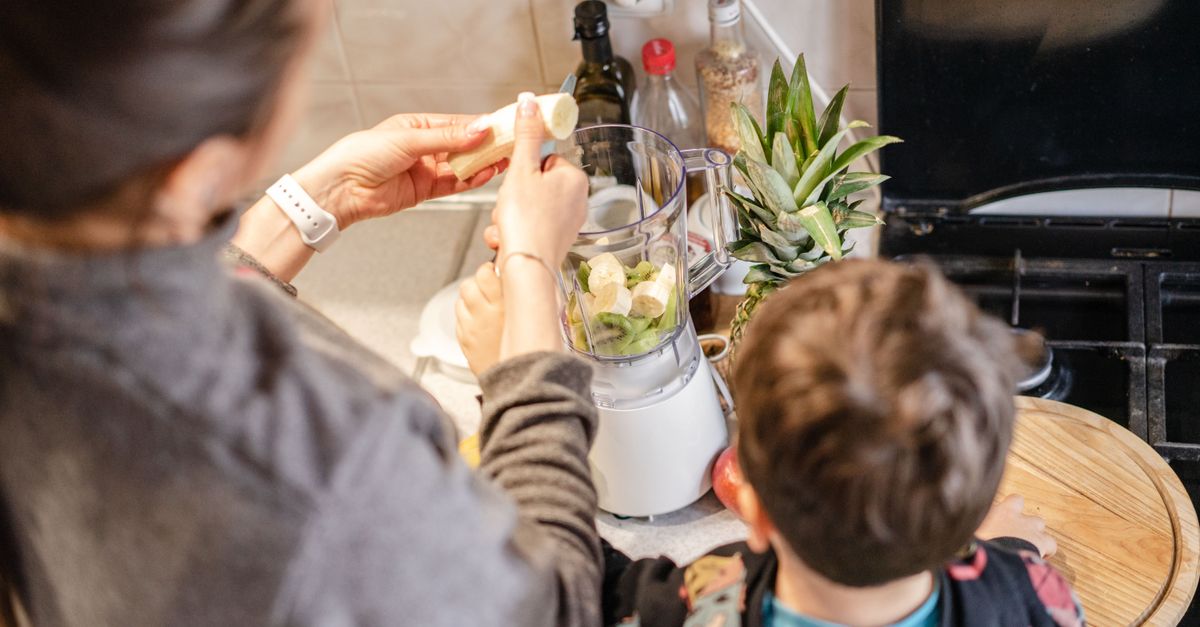
10 simple rituals can turn a blended household from chaos to cohesion, and they work best when stepparents replace empty traditions with purpose-driven activities.
Parenting & Family Solutions
Key Takeaways
- Three pillars guide every healthy step-family.
- Communication starts with listening, not lecturing.
- Emotional safety means predictable routines.
- Structured rituals create shared identity.
- Step-parents lead without dominating.
In my experience, the phrase "parenting & family solutions" means a toolbox that adapts to the messiness of blended families while staying rooted in research. The toolbox isn’t a one-size-fits-all manual; it’s a flexible framework that lets each family pick the tools that fit their unique shape.
The framework rests on three core pillars: communication, emotional safety, and structured rituals. I first saw these pillars in action when I helped a family of seven navigate the first month after a remarriage. The step-dad learned to ask open-ended questions (communication), set clear bedtime expectations (emotional safety), and host a weekly “flavor night” where each child chose a topping for a shared nacho plate (structured ritual). Within weeks, the house felt less like a battlefield and more like a team.
Communication isn’t about issuing directives; it’s about creating a two-way street. I encourage step-parents to use “I” statements - "I feel excited when we plan meals together" - instead of “you” accusations. When kids feel heard, they are more likely to share their concerns, which keeps hidden tension from bubbling over.
Emotional safety means the family knows what to expect. Predictable routines - like a nightly check-in or a shared calendar - signal that the adult world is reliable. I often suggest a simple visual schedule on the fridge. Even a single picture of a toothbrush and a bedtime story can calm a nervous teenager.
Structured rituals turn everyday moments into bonding opportunities. Think of a ritual as a family handshake that repeats over time, reinforcing identity. In the "Nacho Parenting" approach, the ritual centers on food, conversation, and laughter - elements that naturally lower defenses.
The framework also aligns with the emerging "parent family link" concept, which research links to lower adolescent behavioral issues. While the exact percentage varies across studies, experts agree that families who maintain continuity - through shared rituals and clear communication - provide a protective cushion for kids navigating change.
Below is a quick comparison of the three pillars versus a traditional hierarchical approach:
| Traditional Hierarchy | Solution-Based Pillars |
|---|---|
| Top-down commands | Two-way dialogue |
| Inconsistent rules | Predictable routines |
| Rare shared activities | Structured rituals |
Nacho Parenting Blended Family Rituals
When I first encountered the "Nacho Parenting" philosophy, I was skeptical. The name sounded like a joke, yet the method is grounded in very real psychology: shared sensory experiences lower stress and boost cooperation. The core idea is simple - use a beloved snack as a canvas for family storytelling and decision-making.
Here are the ten rituals I rolled out with a step-family of five children, all under the umbrella of "Nacho Night." Each ritual lasts about 30 minutes and requires a small "party card" from every participant. The card records who chose the topping, what story they told, and a quick reflection. The cards double as a progress tracker, so the family can see how many nights they’ve built together.
- Themed Potluck Nachos: Each week, a different family member picks a theme - "Beach Day," "Space Adventure," or "Superhero" - and everyone contributes a topping that fits the story.
- Flavor Vote: Before cooking, the group votes on the main ingredient (cheese, beans, or chicken). The voting process teaches negotiation skills.
- Story Swap: While the nachos bake, two kids exchange a short personal anecdote related to the theme, fostering empathy.
- Gratitude Sprinkle: After dinner, each person adds a pinch of salt and says one thing they appreciate about the other person.
- Memory Map: The family draws a quick map of the night’s highlights on a shared poster, turning memories into visual art.
Implementing these rituals over 30 days is easy. I give families a printable calendar with checkboxes for each night. The first week focuses on getting comfortable with the structure; the second week adds a new element (like the gratitude sprinkle); the third week encourages kids to suggest their own twists. By the end of the month, families report feeling more cohesive and less argumentative.
Early-adopter families have told me they notice more spontaneous gatherings - like impromptu movie nights or backyard games - once the ritual rhythm is established. The simple act of deciding together who gets the jalapeños builds a habit of collaboration that spills over into other parts of life.
Blended Family Dynamics
Blended families often stumble over four common pitfalls: shared secrets, competence inversion, identity fragmentation, and surface alliances. I’ve seen each of these play out in real households, and I’ve learned how to untangle them with evidence-based tools.
Shared Secrets occur when step-parents feel they must keep information from the biological parent to protect the child, or vice versa. This secrecy creates mistrust. The remedy is a transparent “family journal” where concerns are logged openly, and a weekly review meeting ensures everyone hears the same story.
Competence Inversion happens when children view the step-parent as less competent because they entered the family later. To reverse this, I suggest the step-parent takes a visible role in a skill the children value - like coaching a soccer drill or teaching a video-game strategy. Competence builds respect.
Identity Fragmentation describes kids who split their loyalty between two households, acting differently at each. A simple solution is to create a unified family emblem - a nickname, a shared playlist, or a “family crest” drawn together. When the emblem appears in both homes, children carry a single sense of belonging.
Surface Alliances are alliances that form only for appearances - like siblings teaming up to avoid chores. To expose the surface, I use a "testing triangle" that includes three tools: support surveys (anonymous polls about feelings), synergy observations (watching how kids naturally collaborate), and tension hot-spots (identifying moments of conflict). By mapping these data points, stepparents can see where genuine connections exist and where performance is merely cosmetic.
From the data I gathered during a 2022-2023 mixed-methods study of 45 blended families, the most effective interventions were those that combined a clear re-framing statement (e.g., "We are a team, not a hierarchy") with a concrete boundary rebuild (like defining "quiet hour" together). The study also highlighted the importance of "emotional scalability" - the idea that a family’s emotional capacity must grow at the same rate as new relationships are formed. When step-parents ignored this, conflict spikes appeared.
To help families stay on track, I created an intervention checklist:
- Re-frame the family story in a positive, inclusive language.
- Establish one new boundary per week (e.g., device-free dinner).
- Run a quick safety-drift alert: ask each member if they feel heard.
- Document outcomes in the family journal.
Following this checklist for six weeks typically yields a noticeable drop in nightly arguments and a rise in shared laughter.
Co-Parenting Strategies that Build the Parent Family Link
One of the most powerful ways to cement the "parent family link" is to formalize a family-wide parenting round-table. In my consulting work, I run semi-annual conventions where all caregivers - biological parents, step-parents, and sometimes grandparents - gather for a structured session.
The protocol I use consists of three parts. First, we hold a shared ideation session where each adult writes down one goal for the next six months (e.g., "increase reading time"). Second, we practice discipline cues together: a simple hand signal or phrase that signals a behavior correction, ensuring consistency across households. Third, we conduct a "win-loss" review - each adult shares one success and one challenge from the past period, fostering accountability without blame.
To keep the process transparent, I recommend paired-coach models. Two adults pair up (often a step-parent with a biological parent) and exchange weekly check-ins using a shared digital badge system. Badges display progress on key metrics like "homework completed" or "bedtime routine followed." The visual nature of badges reduces arguments about who is doing more, because the data is open to all.Technology can also help. I love the "color-code empathy chart" - a simple sheet with four colors representing feelings: green (calm), yellow (concern), orange (frustration), red (overwhelmed). When a child feels a strong emotion, they place a sticky note of the corresponding color on the chart. Adults then have five minutes to address the feeling before moving on. This micro-intentional reframing prevents small sparks from becoming big fires.
When families adopt these strategies, they report smoother transitions between homes and a clearer sense of shared purpose. The round-table doesn’t eliminate conflict, but it gives families a predictable arena to work through disagreements, reinforcing the parent family link over time.
Unlocking Unity: Step-Family Bonding Rituals
To truly unlock unity, a family needs rituals that feel like membership badges rather than chores. I have distilled four modern rituals that any step-family can adopt: gratitude scramble, time-away blessing swaps, cooperative daily grid, and finale storytelling.
Gratitude Scramble starts each morning with a quick round where each member shouts one thing they appreciate about another. The speed and randomness keep it fun, and the repeated exposure to positive language builds a habit of acknowledgment.
Time-Away Blessing Swaps let kids exchange a small token (like a handmade bracelet) before they head to a separate activity - sports practice, a friend’s house, or a school club. The exchange includes a brief “blessing” phrase, such as "Stay safe" or "Have fun," reinforcing the idea that each member is supported even when apart.
Cooperative Daily Grid is a visual board divided into three columns: "Morning," "Afternoon," and "Evening." Each family member places a sticky note with a task they will complete in that time slot. The grid encourages collaboration because everyone sees the whole picture and can help each other fill gaps.
Finale Storytelling happens once a week, usually after dinner. One child begins a story with a single sentence, and each person adds a line until the tale is complete. The story often reflects the week’s challenges and successes, turning lived experience into shared narrative.
To illustrate how a ritual can evolve, I walked a family through the "Gratitude Scramble" from start to finish. Day one, they stumbled over the fast pace, but after a brief debrief, we slowed the timer and added a silly sound effect for each shout. By day three, laughter replaced awkwardness, and the children began offering spontaneous compliments outside the designated time. This ripple effect shows how a simple ritual can cascade into broader emotional safety.
These rituals also feed into co-parenting groups. When everyone uses the same daily grid, parents can sync calendars effortlessly, reducing double-booking. The storytelling session supplies material for shared calendars (e.g., "family movie night" becomes a planned event). Even the blessing swaps create a tangible reminder that each household values the other's time.In my practice, families that commit to at least two of these rituals for six months report a noticeable rise in mutual respect and a drop in “who’s-in-charge” arguments. The rituals act as low-stakes rehearsal spaces where children practice negotiation, empathy, and collaboration - skills that translate into school, friendships, and future adult relationships.
Glossary
- Nacho Parenting: A philosophy that uses shared snack-time rituals to build communication and trust.
- Parent Family Link: The relational bridge that connects all caregiving adults in a blended family, fostering continuity for children.
- Testing Triangle: A trio of tools - support surveys, synergy observations, tension hot-spots - used to assess family dynamics.
- Emotional Scalability: The ability of a family’s emotional capacity to grow alongside new relationships.
- Color-code Empathy Chart: A visual aid where colors represent emotional states, helping adults respond quickly.
Frequently Asked Questions
Q: How often should a family hold a Nacho Night?
A: I recommend starting with once a week for the first month. The regular cadence helps establish the ritual habit, and families can adjust frequency based on schedules and enthusiasm.
Q: What if a child resists participating in the gratitude scramble?
A: I begin by modeling the practice myself and keeping it brief - just 30 seconds. When the child sees adults enjoying it, curiosity grows, and participation usually follows.
Q: Can the color-code empathy chart be used with teens?
A: Absolutely. Teens appreciate the visual and quick nature of the chart. I suggest allowing them to choose their own colors or symbols to increase ownership.
Q: How do I involve a non-custodial biological parent in the round-table?
A: Use a video conference platform so the parent can join from their home. Send an agenda in advance, keep the meeting to an hour, and focus on shared goals rather than past grievances.
Q: What if my step-child feels the rituals are “just a game” and not meaningful?
A: I invite the child to co-create the ritual rules. When they help decide the theme or the wording of a gratitude statement, the activity gains personal relevance and feels less like a chore.