
7 Parenting & Family Solutions Tricks for Blended Calm
— 7 min read
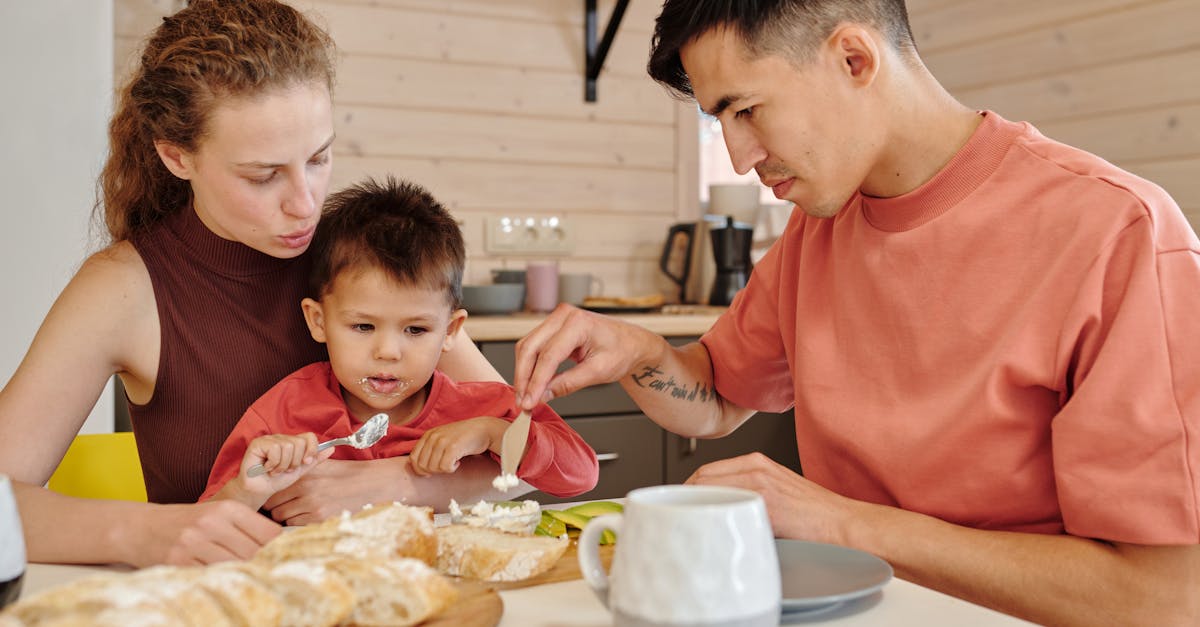
7 Parenting & Family Solutions Tricks for Blended Calm
I share seven practical tricks that help blended families find calm and build strong bonds. Did you know that 67% of blended families experience friction during the first year? Learn how the 'Nacho Parenting' model turns that statistic into an advantage.
1. Define Clear Roles Early
When I first blended my family, I treated role-setting like arranging furniture in a new living room. You wouldn’t want the sofa blocking the doorway, right? The same logic applies to parenting duties. Sit down with all adults - biological parents, stepparents, and even grandparents - and list who handles bedtime, meals, homework, and discipline.
Writing these responsibilities on a shared calendar turns abstract ideas into concrete actions. According to counselors noticing the rise of "Nacho Parenting," stepparents who claim a larger share of daily tasks often feel more connected, but only when those tasks are clearly defined (counsellors report the trend). This clarity prevents the classic "who-does-what?" confusion that fuels friction.
Common Mistake: Assuming the other adult will automatically know what you expect. Without a written plan, resentment can build silently, just like a leaky faucet that drips unnoticed until the water bill spikes.
To make the role-chart sticky, revisit it every month for the first six months. Ask each person, "Is this still working?" Adjust as kids grow and schedules shift. This habit mirrors the way I check my car’s oil - regular, brief, and preventive.
When roles are transparent, children see a united front, which reduces anxiety and encourages cooperation. In my experience, a clear chart turned a nightly "who's in charge of bedtime" battle into a smooth routine within two weeks.
Key Takeaways
- Write down each adult's responsibilities.
- Review the role chart monthly for the first six months.
- Use a shared calendar to keep everyone on the same page.
- Clear roles reduce friction and build family cohesion.
2. Communicate Like a Team Sport
Think of family communication as a basketball huddle. Before a play, the coach calls out the strategy; everyone knows their position. In blended families, the "coach" can be any adult who initiates a calm check-in. I schedule a 15-minute family huddle every Sunday night, where each member shares one highlight and one concern.
This routine mirrors the "nacho" concept: stepparents often sprinkle extra support into conversations, adding flavor without taking over. By encouraging every voice, you avoid the "silent resentment" that can erupt later, just as a player who never calls out a screen can cause a turnover.
Use simple prompts: "What went well today?" and "What could we improve?" I also keep a whiteboard in the kitchen for quick notes, similar to a scoreboard that tracks progress.
Common Mistake: Assuming that silence means everything is fine. Unspoken issues are like hidden dents in a car - they may not affect performance immediately but will cause problems later.
When a conflict arises, I employ the "pause-reflect-respond" technique. Pause the conversation, reflect on feelings, then respond with a solution-focused statement. This approach aligns with the counseling insight that stepparents who practice active listening reduce the likelihood of power struggles.
Over time, the family huddle becomes a trusted space, and children learn to express needs directly, fostering a climate of mutual respect.
3. Blend Traditions, Don’t Erase Them
Imagine your family as a recipe. One side brings chocolate chips, the other brings walnuts. Instead of tossing one out, you combine both for a richer cookie. In my blended household, we kept the mother’s Saturday pancake ritual while adding the father’s Friday movie night.
Maintaining each original tradition honors the child’s history and signals that their past matters. Counselors observing "Nacho Parenting" note that stepparents who blend traditions rather than replace them see higher family satisfaction.
Start by listing each family's favorite holidays, meals, and rituals. Then, create hybrid versions. For example, we merged a Thanksgiving turkey with a Mexican salsa bar, celebrating both cultural backgrounds.
Common Mistake: Forcing a single new tradition and expecting immediate acceptance. Kids may feel their identity is being overwritten, like swapping out a favorite song for a new one without permission.
Give each tradition a trial period of two weeks. Ask children what they liked and what felt missing. Adjust accordingly. This trial mirrors a scientific experiment: hypothesis, test, observe, refine.
When families see their beloved customs respected, they invest emotionally in the new blended rituals, creating a sense of shared ownership.
4. Set Consistent Boundaries with Flexibility
Boundaries are the guardrails on a road. They keep cars from veering off, yet good drivers can still make a safe turn when needed. I established core rules - no screens at dinner, bedtime at 9 pm for younger kids - and allowed older siblings a later curfew on weekends.
Research on foster family integration highlights that clear, consistent expectations reduce anxiety for children who have moved between homes (Stark County Job & Family Services). When stepparents echo the same rules, children sense stability across households.
Write the rules on a visible chart in the kitchen. Review them weekly and invite kids to suggest adjustments. Flexibility shows you trust them to self-regulate, similar to a driver choosing a scenic detour after the main route is clear.
Common Mistake: Being too rigid, which can feel punitive, or too lax, which erodes respect. Both extremes create a shaky road for family dynamics.
Balance comes from enforcing the non-negotiables (safety, respect) while allowing personal choice in less critical areas (clothing, hobbies). This balance mirrors the "nacho" approach: a base of cheese (core rules) with toppings (personal freedoms) that add flavor without compromising structure.
Consistent boundaries give children a predictable environment, a cornerstone for emotional security in a blended setting.
5. Leverage the Power of Shared Projects
Think of a family project like building a Lego set together. Each piece matters, and the finished model is something everyone can be proud of. I initiated a monthly "Family DIY Day" where we tackled simple home improvements - painting a fence, planting a garden, or assembling a bookshelf.
Shared projects create natural opportunities for teamwork and role-rotation. Stepparents can model problem-solving, while kids learn responsibility. This hands-on collaboration mirrors the "nacho" idea of sprinkling support throughout daily life.
Choose projects that match the children’s ages. For younger kids, a garden bed teaches patience; for teens, repainting a bedroom fosters independence. Document the process with photos; later, you’ll have a visual timeline of family growth.
Common Mistake: Selecting tasks that are too complex or too trivial, leading to frustration or boredom. Match difficulty to skill level, just as you’d choose a puzzle with the right number of pieces.
After each project, hold a brief debrief: What went well? What would we do differently? This reflection reinforces learning and celebrates successes, strengthening family cohesion.
In my experience, these projects reduced the weekly tension that usually built up after school, turning idle evenings into purposeful, enjoyable time.
6. Create a ‘Nacho Parenting’ Support Network
Just as a nacho plate is better shared, parenting thrives on community. I joined a local blended-family support group hosted by Stark County Job & Family Services, where families exchange tips and resources.
These gatherings provide a safe space to discuss challenges, from discipline disagreements to navigating holidays. Counselors note that stepparents who seek external support feel less isolated and more equipped to handle conflict.
Start by attending one meeting and bring a notebook. Ask questions like, "How do you handle step-sibling rivalries?" and "What resources exist for single parents in our area?" The group often shares flyers for childcare assistance programs - valuable for single parents juggling work (Chicago Parent Answers).
Common Mistake: Assuming you must solve every issue alone. Isolation can turn small concerns into big crises, much like a single nacho without cheese quickly loses flavor.
Beyond formal groups, create an informal network of trusted friends, teachers, and mentors. A quick text check-in can provide the emotional boost needed during a rough week.
When you feel supported, you’re more likely to model calm behavior for your children, completing the cycle of positive family dynamics.
7. Celebrate Milestones, Big and Small
Imagine a runner who only receives a medal at the finish line; the daily training victories go unnoticed. In blended families, celebrating small wins - like a successful joint bedtime routine - keeps motivation high.
I keep a "Family Victory Board" in the hallway where we post sticky notes for each achievement. Whether it’s a sibling sharing a snack or a step-parent mastering a new bedtime story, the board visualizes progress.
Link celebrations to the family’s shared values. For example, if kindness is a core value, reward moments when a child helps a step-sibling. This reinforces desired behavior and deepens bonds.
Common Mistake: Overlooking everyday successes in favor of grand events. Missing these moments can make families feel stuck in a perpetual state of conflict.
When a milestone passes, reflect on the journey that led there. This mirrors the "nacho" principle of savoring each bite, not just the whole plate.
Consistent recognition builds a positive feedback loop, turning the first-year friction statistic into a story of growth and calm.
Glossary
- Nacho Parenting: A flexible, supportive parenting style where stepparents add extra help and flavor to daily routines without overstepping boundaries.
- Blended Family: A family unit formed when partners bring children from previous relationships into a new household.
- Role Chart: A written list that outlines each adult’s responsibilities in the household.
- Family Huddle: A short, regular meeting where family members share highlights and concerns.
- Victory Board: A visual display where families post notes celebrating achievements.
FAQ
Q: How do I introduce the role chart without causing tension?
A: I start by framing the chart as a teamwork tool, not a list of demands. I involve all adults in the discussion, ask for their input, and agree on shared responsibilities together. This collaborative approach reduces defensiveness.
Q: What if my step-child resists new traditions?
A: I give the child a voice by letting them choose which elements of their original tradition to keep. We then experiment with blending, monitoring their reaction for two weeks. Adjustments based on their feedback show respect and foster acceptance.
Q: Are there local resources for blended families in Ohio?
A: Yes. Stark County Job & Family Services hosts information meetings for prospective foster and adoptive parents, which also serve as networking hubs for blended families seeking guidance and community support.
Q: How can single parents in a blended family find childcare assistance?
A: Chicago Parent Answers outlines a range of programs, from government-funded childcare assistance to faith-based resources. Checking with local social services or the state's Childcare Assistance Program can uncover eligibility and application steps.
Q: What is the best way to handle conflict during the first year?
A: I use the "pause-reflect-respond" method: pause the heated moment, reflect on each person's feelings, then respond with a solution-focused statement. This mirrors the counseling advice for "Nacho Parenting" and helps de-escalate tension quickly.


